

You have likely heard many experts, including CIRO say that one of the first rules of investing is to have a diversified portfolio. Why is this so important anyway?
Effective diversification means building a portfolio that takes advantage of the relationship between different asset classes. Some assets are positively correlated, such as equities from similar industries that tend to move together, and others are negatively correlated, such as stocks and bonds that often move in opposite directions. Portfolios that are diversified reduce risk by combining assets that are not correlated - meaning they do not move in the same direction at the same rate - so that losses in one holding can be offset by gains or steadiness in another.
There are various factors to consider when diversifying - asset type, geography, sector.
Asset Class
One way to diversify your portfolio is to make sure it contains different asset classes. Here are the main ones:
- Cash and cash equivalents, such as short-term Guaranteed Investment Certificates (GICs), are assets that do not fluctuate greatly and traditionally offer modest returns. They are particularly useful if you need a portion of your portfolio to be available for short-term needs such as covering unexpected emergency expenses, or for a specific short-term goal like a downpayment on a house. As the lowest risk assets, they can also help lower the overall risk of a portfolio and provide stability during market downturns.
- Bonds are securities issued by governments and certain corporations as a source of financing. They usually offer fixed interest payments that are known at time of purchase. Bonds have a range of interest rates and risk levels. The value of bonds mainly fluctuates based on changes in interest rates.
- Stocks or shares are securities issued by companies. Investors are subject to changes in the value of their shares and may receive dividends from certain companies in which they own stock. A stock’s value depends on many factors, such as the company’s size, profitability, and financial stability.
- Alternative investments, such as derivatives, hedge funds, real estate and cryptocurrency investments are alternative investment products that may, in some cases, fluctuate in value independently of stock markets. However, you should know that these investments are generally more complex, less liquid and higher risk than other asset classes.
These asset classes can be combined in a diversified portfolio. You can opt for turnkey investment solutions, such as mutual funds and exchange-traded funds (ETFs), such as asset allocation funds which make it easier to diversify and balance your portfolio across different asset classes. While many funds have diversified mandates, some have more specific objectives, focusing on a particular industry or geography. If you hold a more specific fund, it should not be the only one in your portfolio.
Here are examples of diversified portfolios holding different asset classes:
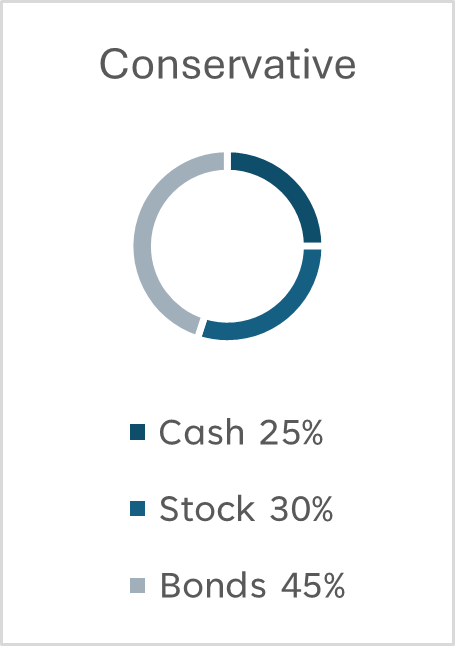
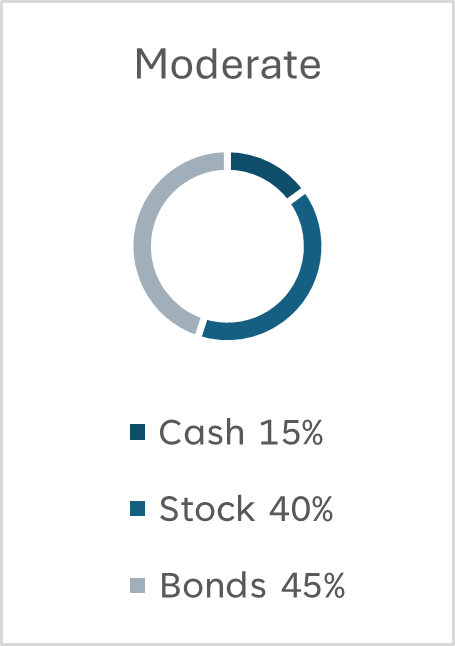
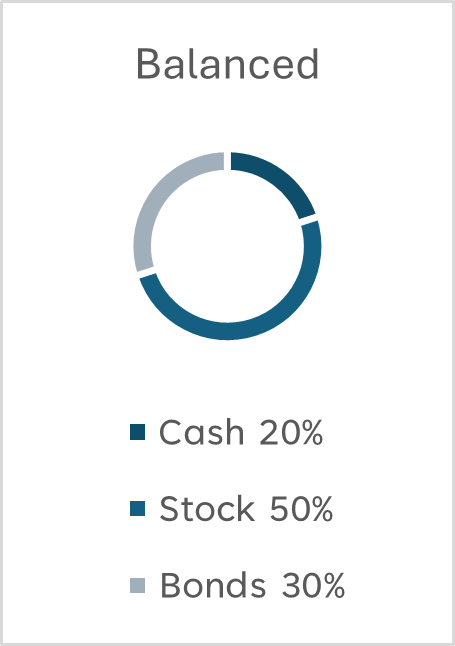
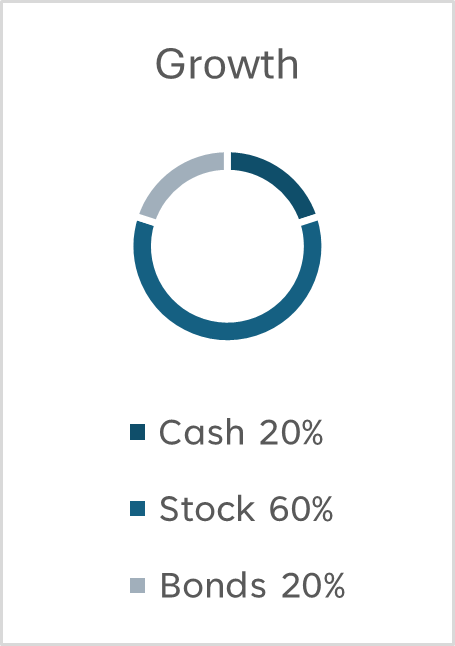
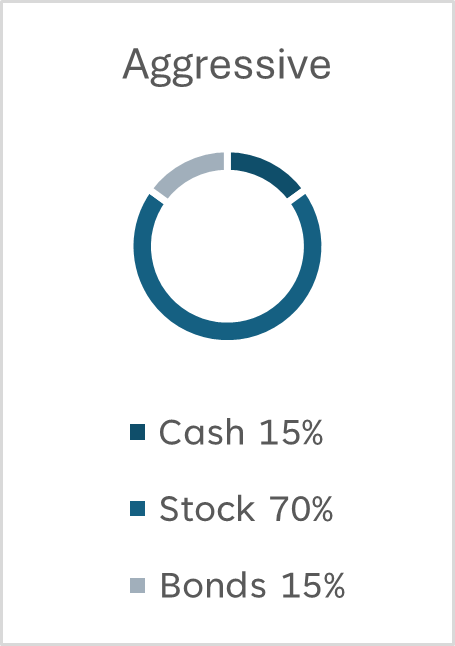
To determine the optimal asset mix for you, it is important to understand the kind of investor you are. Your investor profile allows you to determine how to adjust your portfolio based on your personal risk profile. To find your profile, fill out CIRO’s Investor Questionnaire. It’s designed to get you thinking.
Industry
Economies are made up of different industries. Some are more resilient, while others are more volatile and sensitive to changing economic variables. By investing across different industries, you can ensure that your portfolio’s performance is not dependent on the health of any one of them. Here are the main industries:
- Technology – Companies working in electronics, software development, and artificial intelligence.
- Energy – Companies that specialize in extracting, refining, and supplying oil, gas, and other fuels.
- Financial – Firms and institutions that provide financial services to commercial and retail customers.
- Consumer goods – Companies that manufacture and sell consumer products.
- Utilities – Companies that provide public utilities such as electricity, water, and gas.
- Telecommunications – Companies operating in the fields of phone, internet, and cable services.
- Healthcare – Companies that provide health services, pharmaceutical and biotechnology products, and health insurance policies.
Market Capitalization
Market capitalization — also called market cap or market value — is another factor to consider when diversifying your investment portfolio. It refers to the estimated total value of a company’s shares on a given date. Companies can be sorted by market capitalization into three main categories:
- Large-cap companies are well-established major corporations that often operate internationally.
- Mid-cap companies are often well known and may be in a growth phase or have reached their full potential.
- Small-cap companies are small businesses that are often in a development phase or have not been active for very long.
Geographical Location
Another consideration when diversifying a portfolio is geographical location. You may want to consider adding investments from other geographic regions but make sure you do adequate due diligence beforehand as overseas markets may introduce different risks (e.g. exchange rate risk etc.).
A well-diversified portfolio can help you reach your medium- and long-term goals by taking advantage of market opportunities and reduce the impact of declining markets.